Working Together for Sustainable Deer Management in Ireland
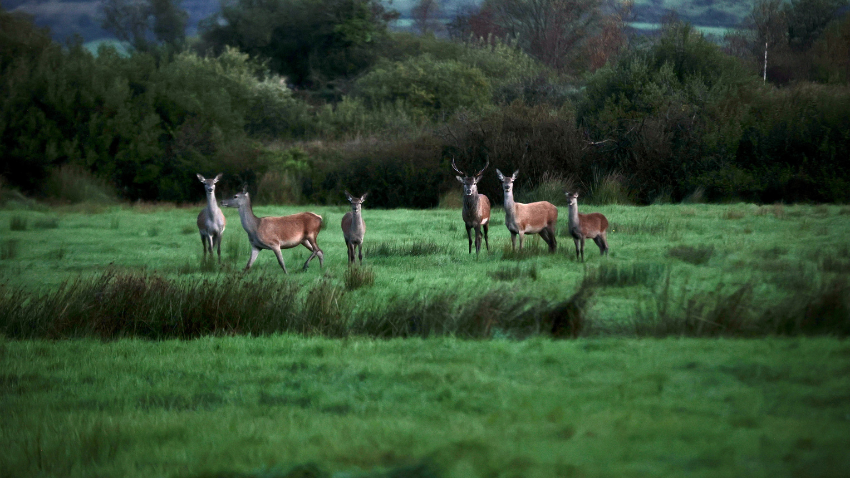
Ireland’s wild deer population has grown significantly in recent decades. While deer are an important part of our natural heritage, increasing numbers are placing growing pressure on agriculture, forestry, biodiversity and road safety.
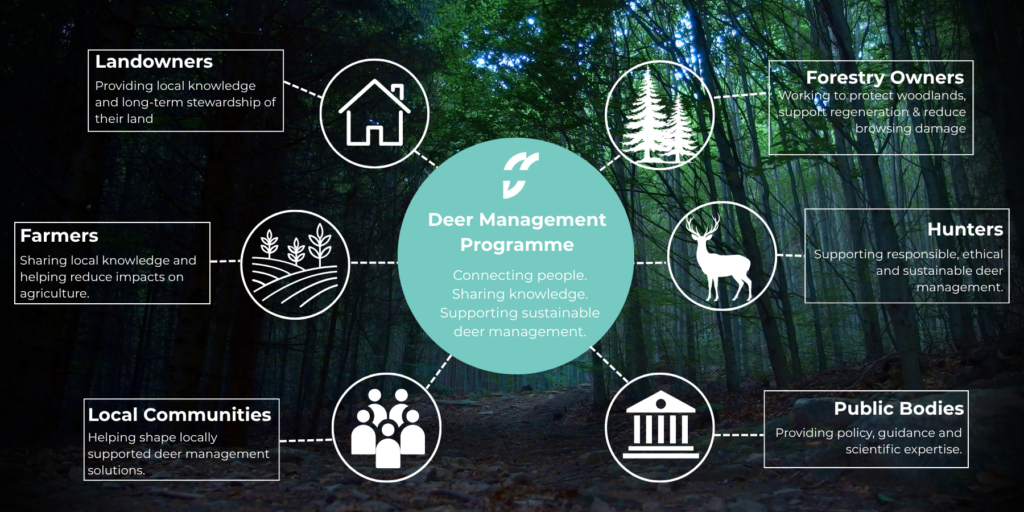
The FRS Co-Op Deer Management Programme brings together farmers, landowners, hunters, foresters, public bodies and local communities to promote responsible, sustainable deer management across Ireland.
Our focus is simple, managing deer populations responsibly while protecting the environment, supporting rural communities and ensuring high standards of animal welfare.
This is not a cull. It is a coordinated deer management programme built on collaboration, science and responsible stewardship.
What is Deer Management?
Deer management is the responsible and sustainable management of wild deer populations to ensure healthy deer, healthy habitats and a balance between wildlife conservation and the needs of people who live and work in rural Ireland.
Effective deer management helps to:
Protect farmland and crops from excessive grazing damage
Reduce damage to commercial forestry and native woodlands
Support biodiversity and habitat restoration
Improve road safety by helping reduce deer-related collisions
Promote responsible wildlife management
Support a sustainable, traceable wild venison supply chain
Successful deer management relies on cooperation rather than individual action. By working together across neighbouring lands, landowners and hunters can make better-informed decisions that benefit both wildlife and local communities.
Why Responsible Deer Management Matters
Healthy deer populations are an important part of Ireland’s landscape. However, where populations become too high for the available habitat, problems can develop for both wildlife and people.
Without effective management, increasing deer numbers can result in:
Agriculture
High deer populations can damage grassland, crops and fencing, creating additional costs for farmers and reducing productivity.
Forestry
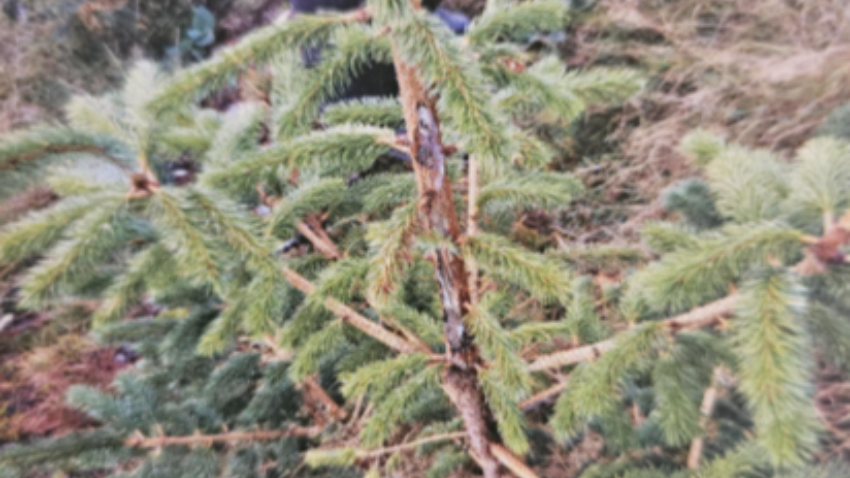
Browsing and bark stripping can significantly impact both commercial forestry and native woodland regeneration, making it difficult for young trees to establish.
Biodiversity
Overgrazing by deer can prevent native plants, shrubs and young trees from regenerating, reducing habitat for birds, insects and other wildlife.
Road Safety
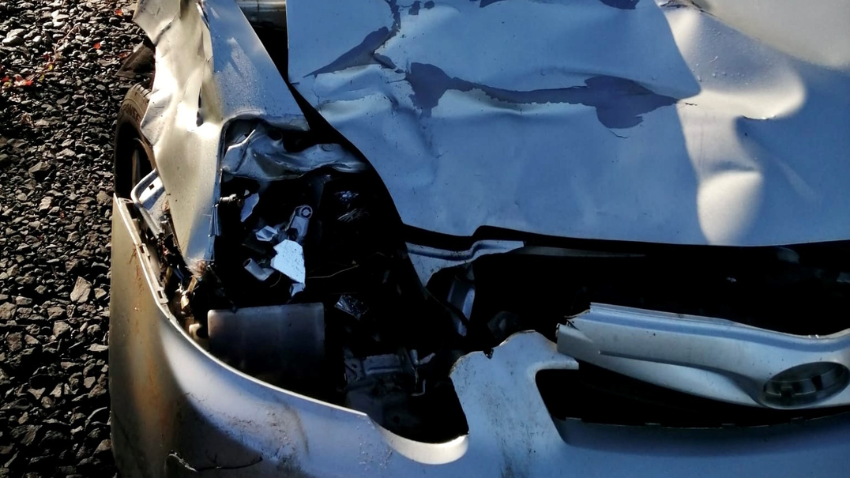
Increasing deer numbers have contributed to a rise in deer-related road traffic collisions across Ireland, creating safety risks for motorists and wildlife alike.
Animal Welfare
Responsible deer management helps maintain healthy populations by reducing competition for food and habitat while ensuring management is carried out professionally, ethically and in accordance with Irish legislation.
Sustainable Venison
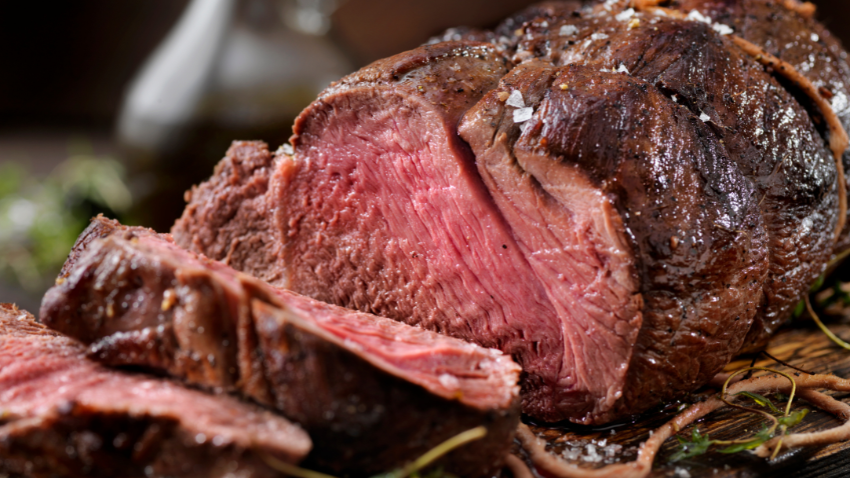
Coordinated deer management supports a more consistent supply of high-quality wild venison. Improved traceability and handling standards benefit hunters, game dealers, processors and consumers while creating new opportunities for Ireland’s rural economy.
How the FRS Co-Op Deer Management Programme Works
The programme is built around local Deer Management Areas across Ireland.
Each area brings together local stakeholders who share an interest in sustainable deer management, including:
Rather than individuals working independently, the programme encourages collaboration, shared knowledge and coordinated management based on local conditions.
Each Deer Management Area is supported by an experienced local Deer Management Coordinator who works directly with stakeholders to encourage communication, improve cooperation and support responsible deer management practices.
Why Neighbouring Landowners Matter
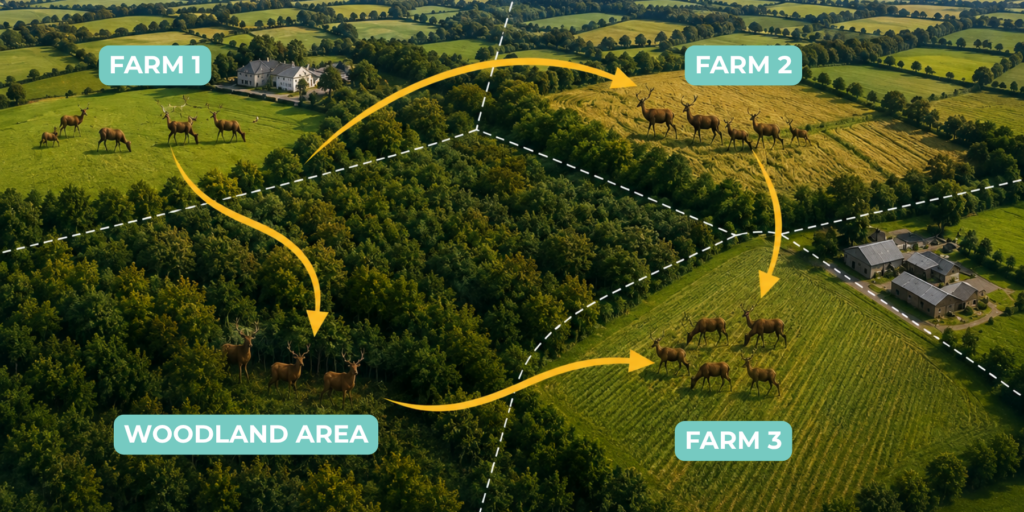
Deer do not recognise fences, farm boundaries or property ownership. They move freely across the landscape each day in search of food, water, shelter and breeding areas, often travelling through multiple farms, forests and neighbouring properties.
This means that deer management carried out on a single property is often less effective than a coordinated approach. By working together, neighbouring landowners, hunters and local stakeholders can share knowledge, understand local deer movements and develop management plans that reflect the wider landscape rather than individual land boundaries.
Shared Local Knowledge
Neighbouring landowners and hunters can build a clearer understanding of deer movements and local population trends.
Coordinated Management
Working together across adjoining properties creates a more consistent and effective approach to deer management.
Reduced Damage
Collaborative management helps reduce impacts on crops, forestry, native woodlands and road safety.
Healthier Landscapes
Balanced deer populations support thriving habitats, stronger biodiversity and sustainable rural communities.
Local Knowledge is the Foundation of Successful Deer Management
The people who know the land best are the people who make the best decisions.
By sharing accurate information about deer numbers, movements and local impacts, hunters and landowners help build a clearer picture of what is happening across the landscape. That shared knowledge supports evidence-based deer management that reflects local priorities and conditions.
FRS Co-Op Deer Management Coordinators facilitate this process by bringing stakeholders together, supporting communication and helping translate local knowledge into coordinated action.
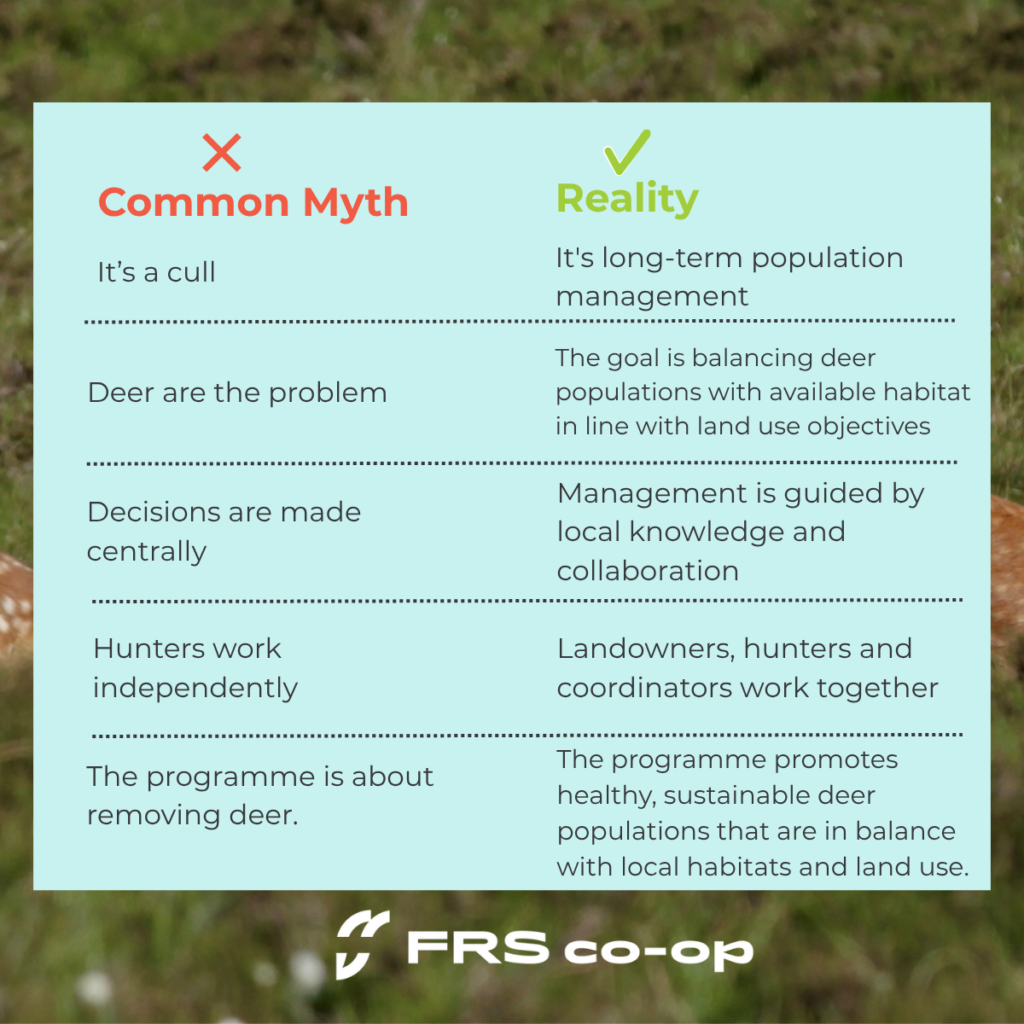
Common Misconceptions About Deer Management
Responsible deer management is often misunderstood. The programme is built on collaboration, evidence and sustainability, with the aim of maintaining healthy deer populations while balancing the needs of Ireland’s landscapes, wildlife and rural communities.
Our goal is balance, not eradication.
Supporting a Sustainable Wild Venison Supply Chain
The programme also supports improved traceability and standards within Ireland’s wild venison sector.
By improving communication between hunters, game dealers and processors, the programme helps create:
Better traceability
Higher food safety standards
Improved compliance
Reduced waste
Greater commercial opportunities for rural communities
Responsible deer management benefits both the environment and Ireland’s growing wild venison industry.
Local Deer Management Areas
Effective deer management is most successful when it reflects local landscapes, habitats and the needs of the people who live and work there.
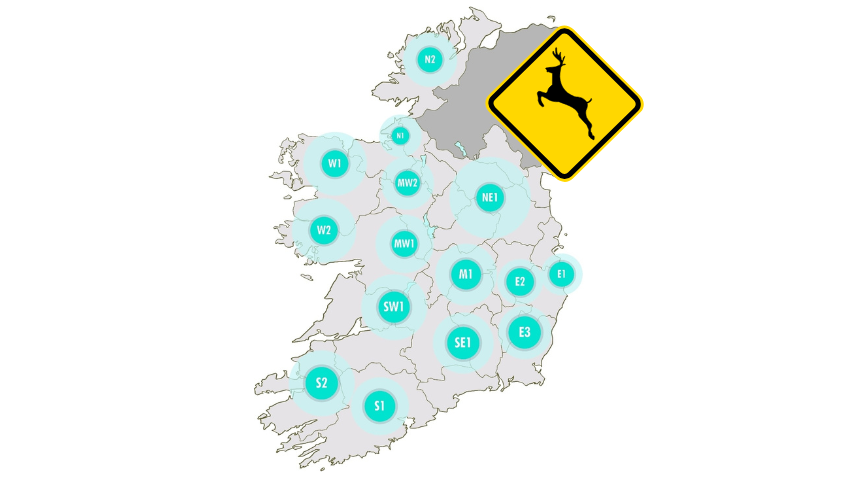
To support this, the FRS Co-Op Deer Management Programme is delivered through a network of 15local Deer Management Areas (DMA’s) formerly known as Deer Management Units (DMU’s) across Ireland. Each area brings together farmers, landowners, hunters, foresters and other stakeholders to develop a coordinated approach that reflects local conditions and challenges.
Every Deer Management Area is supported by a dedicated Deer Management Coordinator, who works closely with local stakeholders to encourage collaboration, share knowledge and promote responsible deer management practices.
Because deer move freely across property boundaries, working together at a local level is far more effective than isolated management on individual farms or estates. This collaborative approach helps achieve healthier deer populations while reducing impacts on agriculture, forestry, biodiversity and road safety.
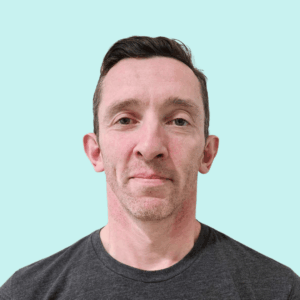
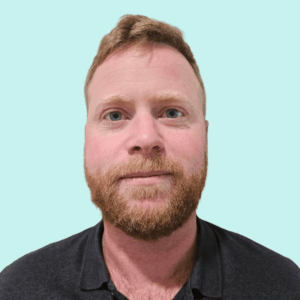
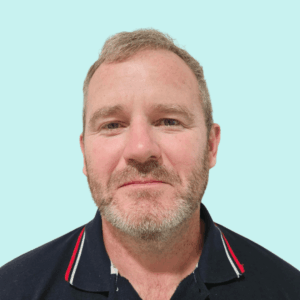
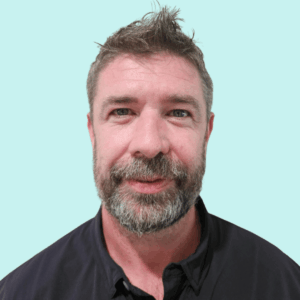
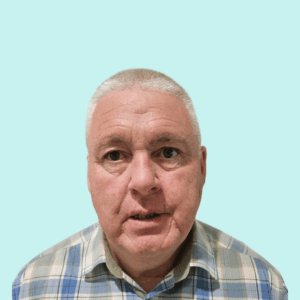
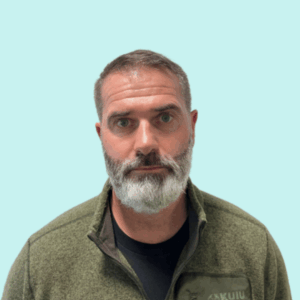
Meet Your Local Deer Management Coordinators
Our Deer Management Coordinators are the first point of contact within each local Deer Management Area.
They work closely with landowners, hunters, farmers and other stakeholders to:
No. The programme promotes sustainable deer management, not indiscriminate culling. The objective is to maintain healthy deer populations while balancing environmental, agricultural and community needs.
Who can get involved?
The programme welcomes participation from farmers, landowners, licensed hunters, foresters, community groups and other stakeholders with an interest in responsible deer management.
Why do neighbouring landowners work together?
Deer know no boundaries and move freely across land and property. Collaborative management is far more effective than isolated efforts by individual landowners. This is why neighboring landowners will be contacted when a problem is identified.
How are management decisions made?
Local decisions are informed by habitat conditions, deer populations, stakeholder knowledge and recognised best practice, ensuring management is appropriate for each area.
What role do Deer Management Coordinators play?
Coordinators facilitate communication, encourage collaboration and provide guidance to support effective local deer management.
Will I be able to hunt on my own land?
Landownership rights are unaffected by the implementation of this strategy or by the setting up of DMAs. Landowners will still decide and have the final say on who manages and hunts deer on their land holdings.
It is envisaged that landowners will engage with local hunters or hunting right owners who they work with currently or have in the past. Some landowners may choose to bring in additional external deer management resources in order to achieve the objectives agreed at DMA level, ultimately the decision on who accesses and manages deer on their land is for the landowners and land managers.
DMA co-ordinators can, if required, assist by liaising, co-ordinating/linking, supporting and advising landowners, land managers, hunters and other stakeholders in each DMA.
Help Shape the Future of Deer Management in Ireland
Whether you’re a farmer, landowner, hunter, forester or simply want to learn more about responsible deer management, we’d like to hear from you.